
Sex Offender Checks in Trinity County
The public starting point for a Trinity County sex offender check is the California Megan's Law Website. California Department of Justice manages the service from the statewide California Sex Offender Registry, often called CSAR. The registry is a disclosure tool, not a full criminal-history report. It displays only information that California law permits the public to see.
Trinity County does not publish a separate county offender map or app. For a local search, use the state service and enter a name or Trinity County location. For questions about registration or an entry tied to the county, contact the Sheriff's Records Lobby. A national search through NSOPW adds records from other participating jurisdictions, which helps when a person or address may cross state lines.
Trinity Registry Data Updates Daily
California's official service description says law enforcement updates the registry each day. The CA.gov search service provides a direct state route to that public database.
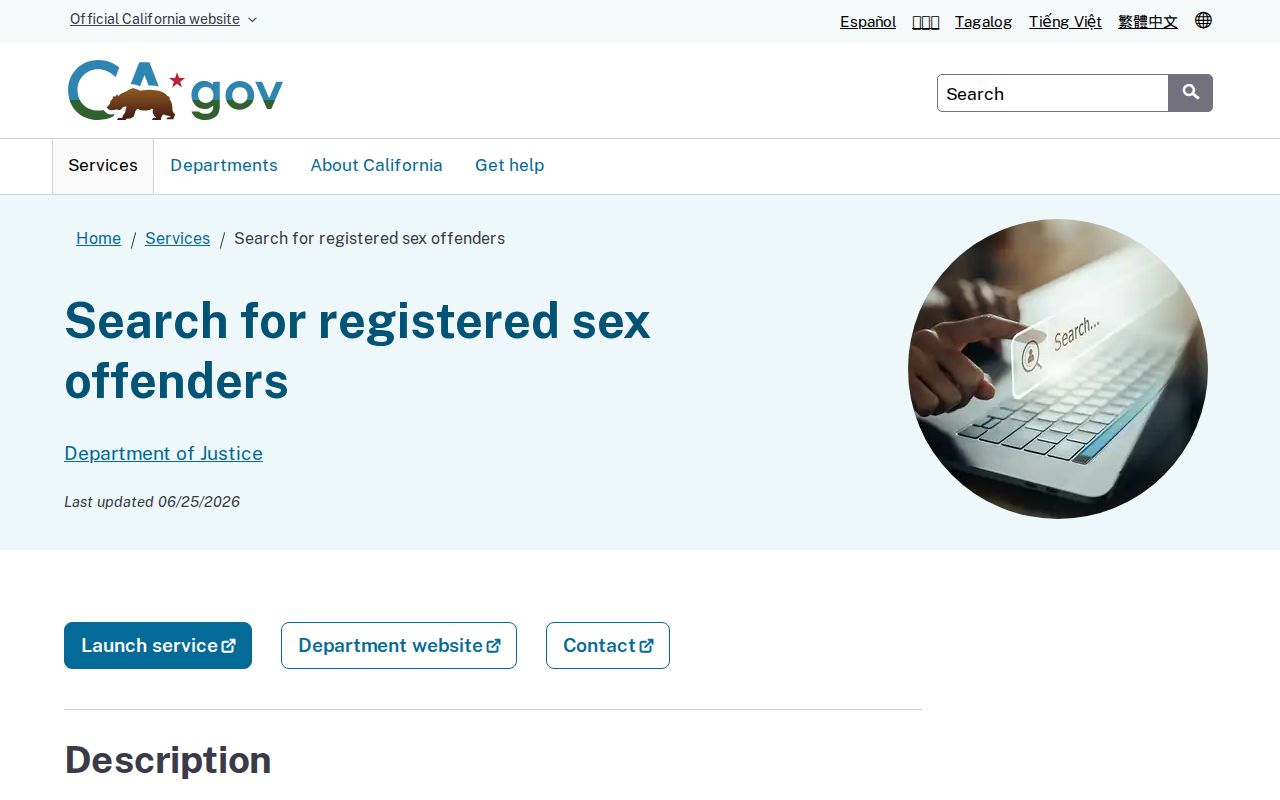
Daily updates make the state service the best first check, but they do not remove the risk of a lag, an omission, or a recent address change.
How to Search California Megan's Law
The California Megan's Law Website opens with a disclaimer. Read it before moving into the search screen. The agreement explains limits on accuracy, public disclosure, identity matching, and lawful use. A Trinity County search may be made by a known name or by a place when the goal is awareness near a home, school route, or other familiar area.
- Open the official state website, read its disclaimer, and accept the conditions before continuing.
- Choose a name or location search. For a local check, use Trinity County, a local ZIP code, or a street location.
- Review the map or list without assuming that a similar name proves identity. Compare all public traits.
- Open the profile and read its offense, address disclosure, status, and update information as a whole.
The portal is dynamic, so controls may shift as the state updates it. These are the researched public search elements:
| Field Label | Type | Required | Notes |
|---|---|---|---|
| Disclaimer agreement | Checkbox | Yes | Must be accepted before search access. |
| Continue | Button | Yes | Opens the search after agreement. |
| Name search | Text | No | Searches for a registrant by name. |
| Address or location | Text or map | No | Supports location-based review. |
| City, ZIP, or county | Text or select | No | Use Trinity County or a local place. |
| Map or list | View control | No | Changes how public results appear. |
Trinity Sex Registration Office
Local registration is handled in Weaverville, not through a city police counter. The Trinity County Sheriff's Administration and Records page says sex registration is available by appointment at the Records Lobby, 101 Memorial Drive. Appointments are offered Monday through Thursday from 9 a.m. to noon and 1 p.m. to 4 p.m. The lobby is closed Friday through Sunday and on legal holidays. Call 530-623-2611 and choose Records.
Trinity Sheriff's Records Lobby
101 Memorial Drive
Weaverville, CA 96093
530-623-2611
Registration by appointment
This office is the right local contact for registration and correction questions. It is not a substitute for the public state search. Trinity County has no incorporated cities, so residents should not look for a Weaverville, Hayfork, or Lewiston city registry office.
Inside a Registry Profile
A public profile can supply several clues for a sound identity match. The exact set depends on what Penal Code section 290.46 permits for that registrant. Fields may also change as law enforcement sends new facts. Review all visible data rather than relying on one item.
| Name and aliases | Publicly disclosed names that can help separate similar results. |
|---|---|
| Photo and description | A photo and traits such as age, height, hair, eyes, or marks when disclosed. |
| Registered location | An address or a more limited location, as California law allows. |
| Registrable offense | The qualifying offense and statute; other offenses may not be shown. |
| Registration status | Compliance or status information when the public profile provides it. |
| Record update | The latest update or law-enforcement source when shown. |
The DOJ Megan's Law information page explains why California makes selected information public.
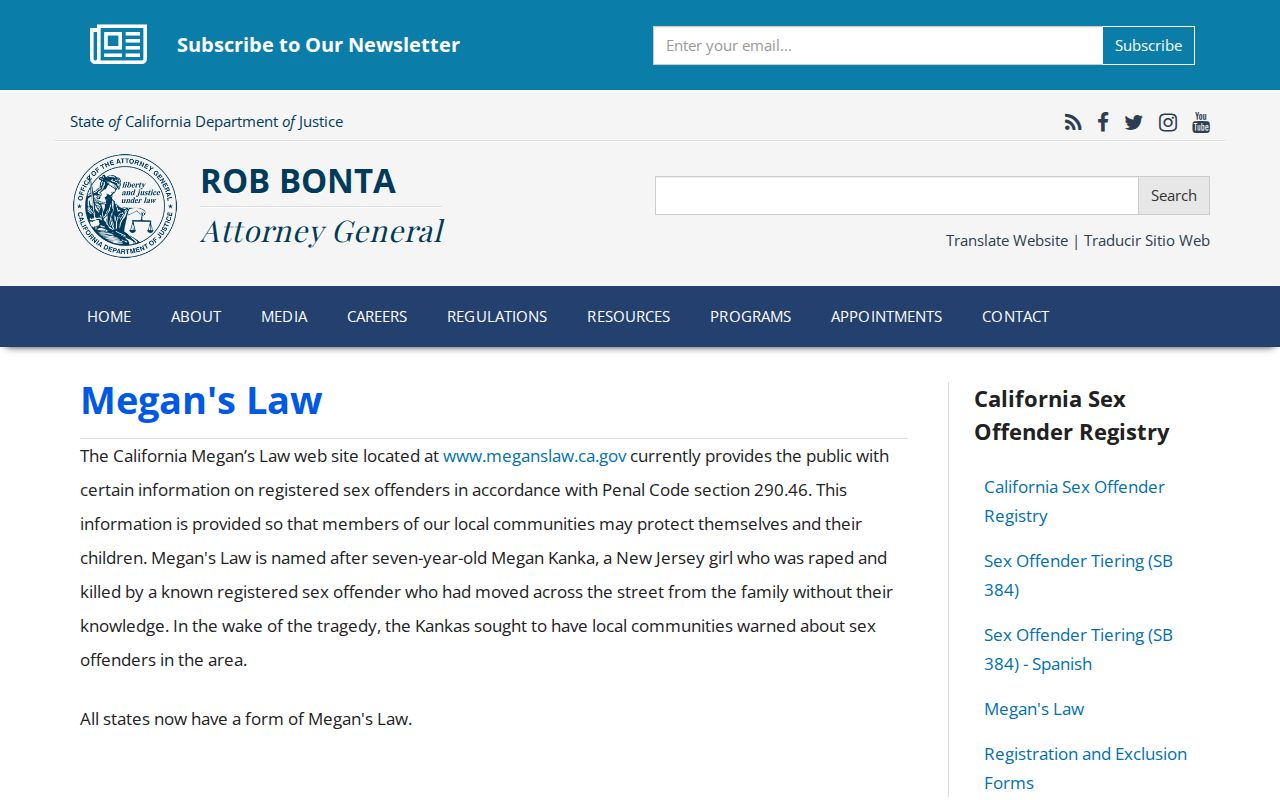
The state explanation helps place each displayed field within California's public-notification rules.
Trinity Registry Identity Checks
DOJ warns that a search can lead to mistaken identity when someone relies only on name, age, and address. A common name or an old location can point to the wrong person. Compare the photograph and full physical description when those items are public. Look at aliases, marks, and the scope of the address disclosure too.
If a Trinity County entry appears wrong, contact the Sheriff's Records Lobby or email DOJ at MegansLaw@doj.ca.gov. State data can change fast, and much of it comes from registrants through local law enforcement. Report the suspected error with enough detail to identify the entry, but do not broadcast a claim while the facts are still in doubt.
California Registration Levels and Requirements
California's SB 384 framework uses three broad tiers. Tier duration concerns how long a person generally must register. Public visibility is a separate question governed by Megan's Law disclosure rules. A tier should never be treated as a promise that every person in that group will appear online.
| Tier or category | General duration | Public visibility |
|---|---|---|
| Tier one | 10 years | Disclosure depends on Penal Code section 290.46. |
| Tier two | 20 years | Some registrants may be public; check the registry. |
| Tier three | Lifetime | Often includes serious categories, subject to statutory limits. |
| Excluded or nonpublic | Varies | Some registrants are not shown on the public website. |
The California Department of Justice has managed the sex offender registry since the state began registration in 1947. Megan's Law created the public disclosure framework in 1996. The DOJ registry program overview describes CSAR and its services.
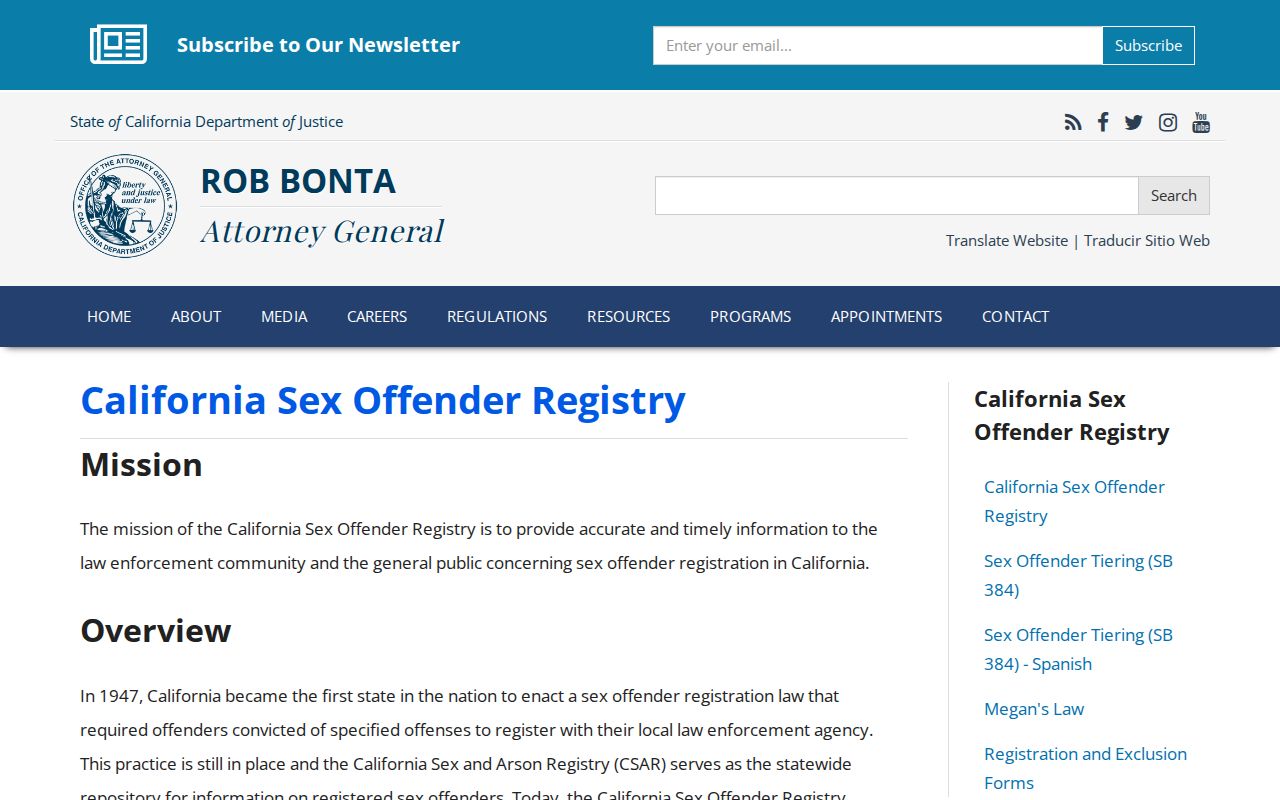
This state repository supports both law enforcement work and the limited public information shown through Megan's Law.
Some Trinity Registrants Stay Nonpublic
No result does not always mean no registration duty. DOJ states that some registered people are not subject to public disclosure and are absent from the website. Exact address details can also be limited by the person's statutory category. The public portal is therefore a defined safety resource, not a full roll of every registrant in Trinity County.
The offense list is limited as well. A profile may disclose the offense that caused the registration duty, yet omit other parts of a criminal case. When the full filed case is needed for personal understanding, the separate Trinity County criminal court case records route may provide charges, hearings, and disposition information that is public at the clerk's office.
Trinity Registry Disclosure Law
California Penal Code section 290.46 sets the internet disclosure framework and its limits.
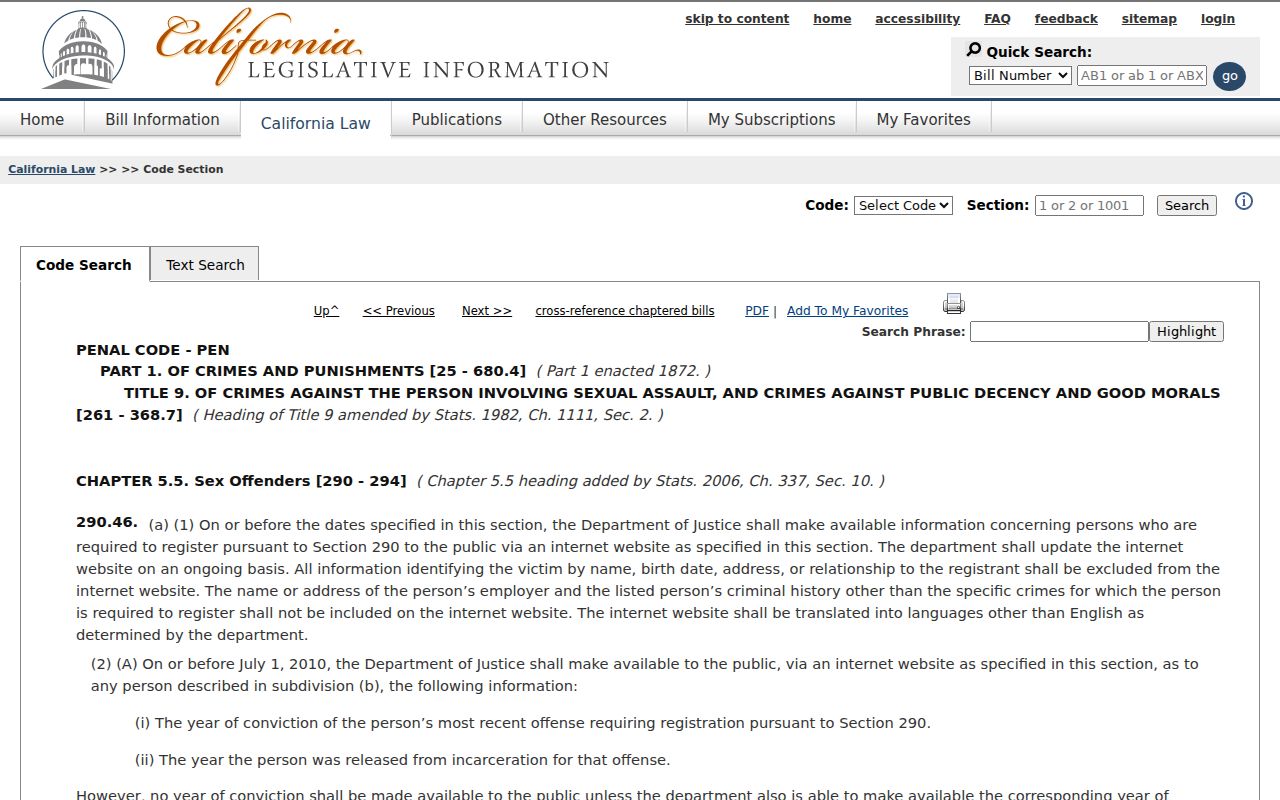
The statute explains why profile detail varies and why registry information carries strict rules for access and use.
One unusual limit applies to access itself. A person required to register under Penal Code section 290 who enters the site's search function may face a fine of up to $1,000, up to six months in county jail, or both. This rule is distinct from the public's lawful use of the search.
Community Notification and Lawful Use
California provides registry information for public protection. In Trinity County, that can mean reviewing a familiar route, checking a name linked to a safety concern, or using location results for community awareness. DOJ has not assessed the specific future risk of any person displayed. A profile should not be read as a prediction that someone will offend.
The state also warns that errors and omissions are possible. Confirm identity, use current official information, and share a concern with law enforcement when there is a real safety issue. Do not confront a person based on an online result. The statute permits criminal prosecution and civil liability when registry data is used for crime or harassment.
Registry misuse is unlawful: Penal Code section 290.46 forbids using this information to commit a crime or harass a registrant or household. Threats, intimidation, vigilantism, and unlawful discrimination can lead to criminal prosecution and civil liability.
A Live Scan record review serves a different purpose: it lets a person inspect their own California criminal history. The DOJ Live Scan locations page lists authorized fingerprint sites and notes that local rolling fees may vary.
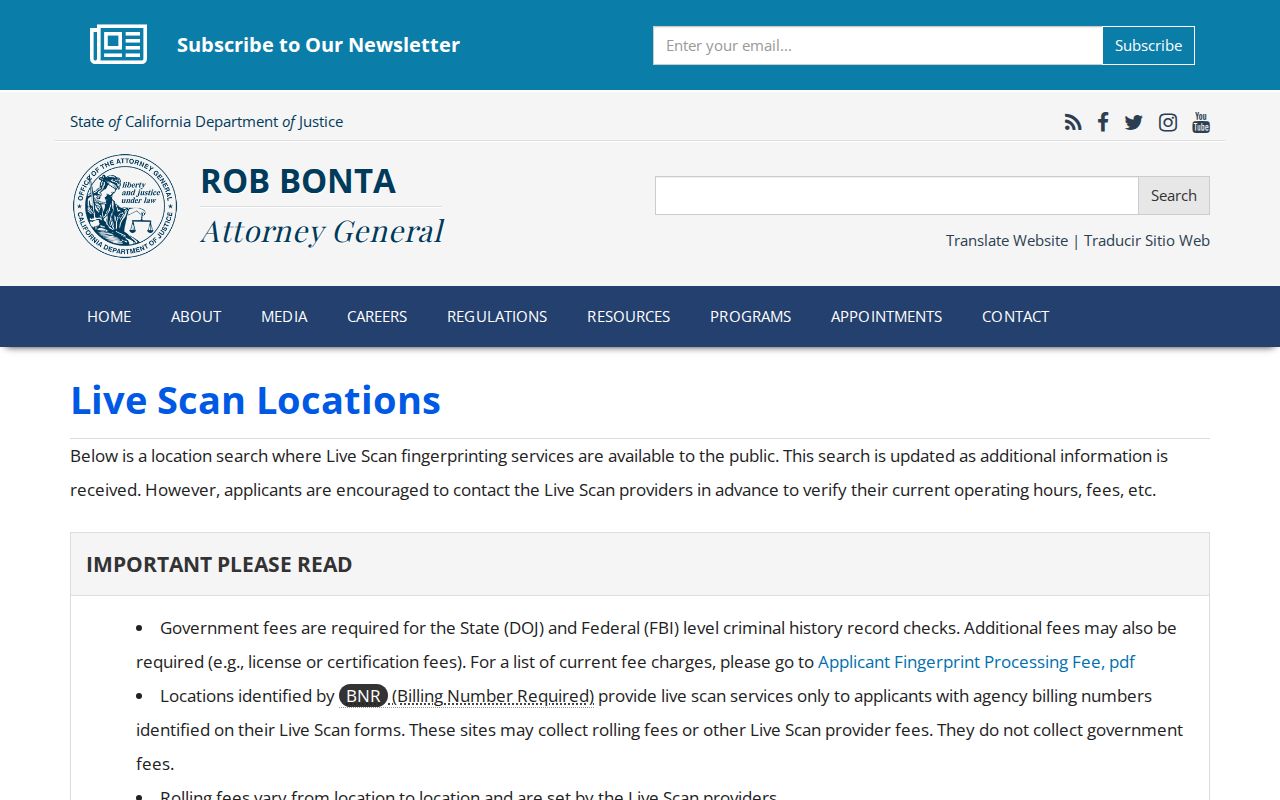
Trinity Sheriff's Records Office also offers Live Scan by appointment, but that process does not replace the Megan's Law public registry search.